

Downing strengthens Energy & Infrastructure team with senior appointments
Learn moreInstitutional Investments


Powering the future: How renewable energy can sustain the data centre boom
18/2/26
10 min
Renewable energy
Insight
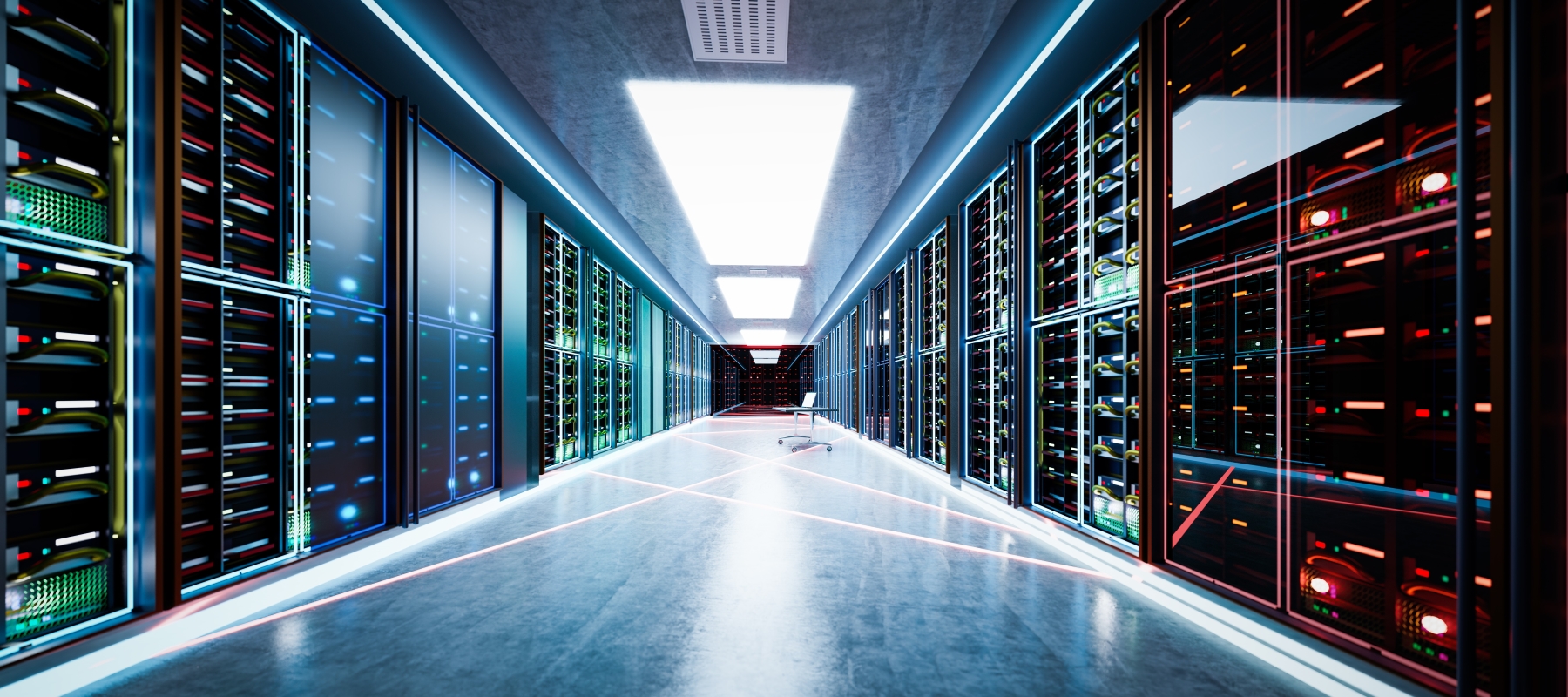
Data centres have quickly become essential lynchpins of the global economy. These facilities, which house the critical applications and data that organisations now depend on, saw their global capacity grow fivefold between 2005 and 2025, making them one of the fastest-growing sources of electricity demand worldwide.
The rise of artificial intelligence, the growth of so-called ‘hyperscalers’ like Meta and Amazon, along with a shift towards around-the-clock digital demand are converging. All three require more computing power and digital storage from data centres for growth, translating into increased energy demand.
The data centre power surge in numbers
“Data centres will become some of the world’s largest consumers of electricity.”
As data centres grow, they consume more power, so much so they could become one of the UK's fastest-growing sources of energy demand by the 2030s. Goldman Sachs Research forecasts that global power demand from data centres will increase by around 50% by 2027 and by as much as 165% by the end of the decade. A recent estimate suggests that this need will reach 71 gigawatts by the end of 2027 – demand for data centres driven by AI is rising rapidly, growing at a compound annual growth rate (“CAGR”) of almost 50% and far outstripping growth in non‑AI data centre use.
Data centre impact on the UK energy network
Grid capacity (and associated grid robustness) are increasingly dictating where new data centres can be located.
Britain’s surge in renewable power, particularly from wind and solar, can meet much of the growing energy demand of data centres. But this also requires the industry to close a critical gap: reliable energy storage.
Most renewable energy generation is intermittent; solar panels only produce energy when the sun is shining and wind farms when the wind is blowing. Co-locating various renewable energy sources together, and with battery storage helps to balance out this weather-dictated intermittency. Reliable energy storage will capture excess renewable generation for continued powering of data centres in periods of low renewable generation – further reducing reliance on fossil fuels.
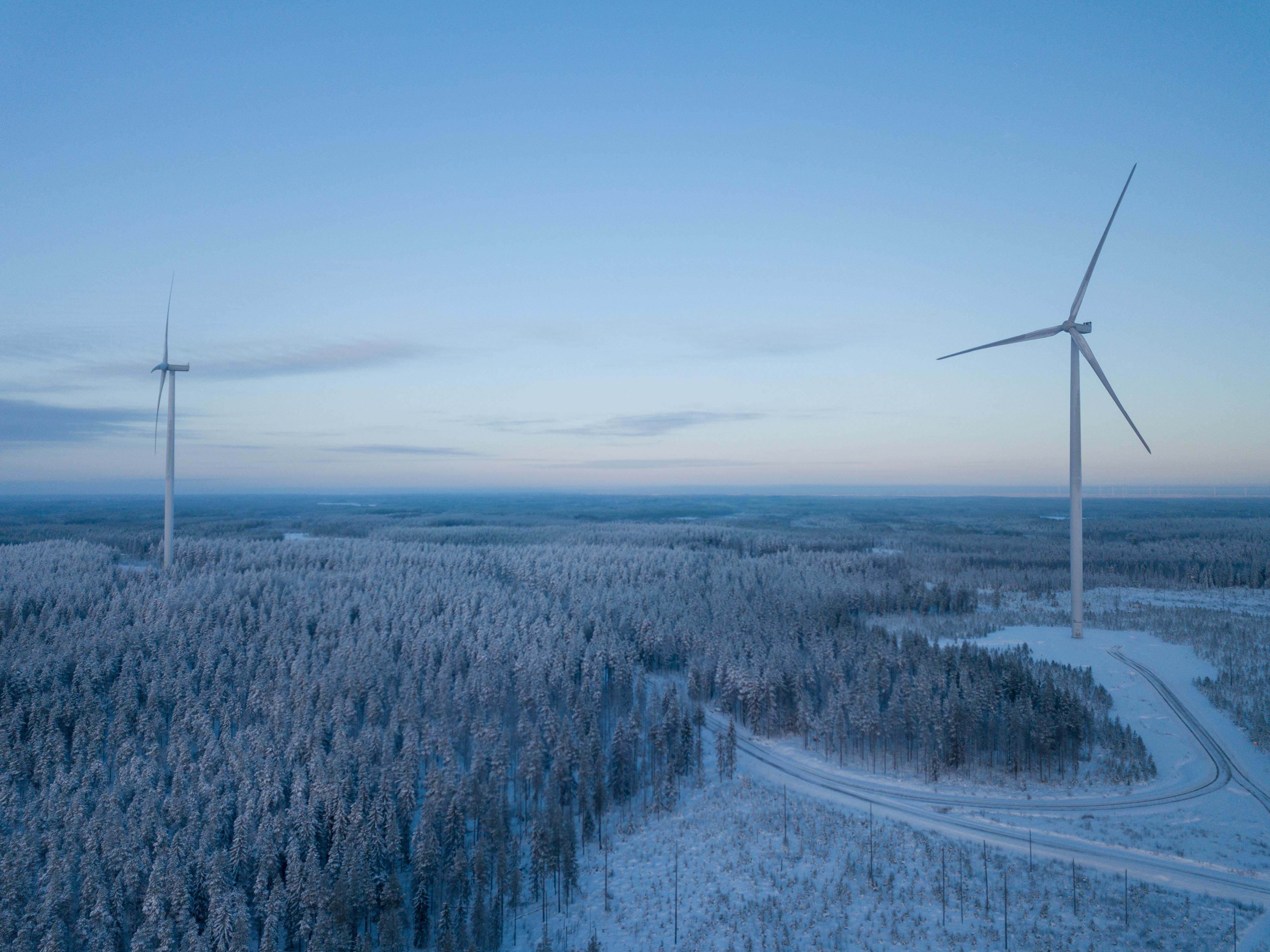
Another method for supporting the growing energy demand is through the provision of “private wire” connections, where the energy generation is connected directly to the energy consumer, avoiding any interface with the grid network. As the energy does not flow through the public power grid, private‑wire offtakers avoid a range of grid and policy charges that typically make up a significant share of a consumer’s energy bill. This results in meaningful reductions in the price they pay for electricity. As part of Downing Renewable Developments (DRD) partnership with Kao Data, the team will deliver a private wire connection from our Green Data Solar Farm to Kao Data’s Harlow data centre campus. This supports Kao Data’s strategy of carbon emission reduction whilst enhancing energy resilience through verified renewable sources and reduced pressure on the grid.

The future inevitably lies in flexible combinations of “traditional” and renewable power generation. What will be most noticeable is the shift towards granularity: far greater precision in how energy is used, stored and balanced across the grid.
The investment opportunity beyond data centre hype
At first glance, investing in energy infrastructure might seem like an indirect way to capitalise on the rise of data centres. However, when you look closer at market dynamics the appeal becomes more obvious.
Investing in the infrastructure supporting data centres can provide exposure to this asset class whilst offering a lower risk approach. Data centres don’t function without reliable power, and the shift to 24/7 renewable supply is fuelling a once-in-a-generation capital buildout. Investors can secure access to long-term power purchase agreements that supply clean electricity to Tier 3 and Tier 4 facilities – contracts that generate steady income, align with sustainability mandates, and are backed by hard assets. The tier system measures data centre reliability, with Tier 3 offering high uptime and Tier 4 delivering maximum resilience - critical for uninterrupted digital infrastructure.
Governments and grid operators are also identifying this scale of opportunity. European transmission operators face a €250 billion shortfall in modernising grid capacity by 2029, and public budgets alone won’t fill that gap. In the UK, NESO (National Energy System Operator) has called for a trebling of flexible power capacity by the end of the decade – creating clear demand for storage, renewables, and smart infrastructure investment.
Investing in data centres, the development of these sites or the energy supplying them supports the UK Government's ambitions: it helps to bolster the grid, support the transition to net zero and supports their ambition of becoming a global AI hub.
Why Downing Renewable Developments is uniquely positioned
Making smart investments at the intersection of telecommunications, energy and data centres requires both capital and specialised insight. These are fast-evolving markets shaped by macroeconomic shifts, regulatory complexity and rapid technological change. Capturing long-term value means understanding both the physical infrastructure and the operational realities of power-hungry data centre assets.
That’s where Downing stands apart.
Downing is one of the few players in the market with capabilities that span site selection, project development, power delivery, project structuring and asset management. This means that we’re able to partner directly with data centre operators to co-develop or deliver clean power to site, enabling 24/7 renewable matching for facilities that require constant uptime.
When the largest names in artificial intelligence and cloud infrastructure (the so-called “hyperscalers”) need to scale quickly and sustainably, Downing can provide both the roadmap and the energy. Our expertise allows clients to navigate planning, procurement and delivery at the speed demanded by next-generation digital infrastructure.
A smarter, greener digital economy
The scale of transformation driven by artificial intelligence is only just beginning to emerge. Entire sectors are reshaping their products, services and operating models to take advantage of this new wave of technology. But the full promise of AI will only be realised if the physical infrastructure behind it – data centres – can expand and adapt to meet surging demand.
This responsibility falls to a broader ecosystem: the developers, investors, and operators tasked with powering the world’s new processing hubs. Renewable energy infrastructure, centred around increased solar energy generation and storage, is a foundational requirement for the AI and cloud economy, especially in the UK. And while this moment will build on decades of investment in renewables, data centres present their own unique demands: higher uptime, greater flexibility, and seamless integration with advanced storage systems.
One of the most important growth engines in the global economy now faces one of its most complex infrastructure challenges. The next decade will be about smarter, more responsive power.
Investors have a role to play in building the backbone of this future. With Downing, that role can be profitable, resilient, and aligned with long-term growth.
Find out more about our Renewable Energy & Infrastructure team here.
Share



Contents
See full contents

As data centres surge into one of the world’s fastest growing energy consumers, scaling renewables and storage is becoming essential to power the AI era.
Data centres have quickly become essential lynchpins of the global economy. These facilities, which house the critical applications and data that organisations now depend on, saw their global capacity grow fivefold between 2005 and 2025, making them one of the fastest-growing sources of electricity demand worldwide.
The rise of artificial intelligence, the growth of so-called ‘hyperscalers’ like Meta and Amazon, along with a shift towards around-the-clock digital demand are converging. All three require more computing power and digital storage from data centres for growth, translating into increased energy demand.
The data centre power surge in numbers
“Data centres will become some of the world’s largest consumers of electricity.”
As data centres grow, they consume more power, so much so they could become one of the UK's fastest-growing sources of energy demand by the 2030s. Goldman Sachs Research forecasts that global power demand from data centres will increase by around 50% by 2027 and by as much as 165% by the end of the decade. A recent estimate suggests that this need will reach 71 gigawatts by the end of 2027 – demand for data centres driven by AI is rising rapidly, growing at a compound annual growth rate (“CAGR”) of almost 50% and far outstripping growth in non‑AI data centre use.
Data centre impact on the UK energy network
Grid capacity (and associated grid robustness) are increasingly dictating where new data centres can be located.
Britain’s surge in renewable power, particularly from wind and solar, can meet much of the growing energy demand of data centres. But this also requires the industry to close a critical gap: reliable energy storage.
Most renewable energy generation is intermittent; solar panels only produce energy when the sun is shining and wind farms when the wind is blowing. Co-locating various renewable energy sources together, and with battery storage helps to balance out this weather-dictated intermittency. Reliable energy storage will capture excess renewable generation for continued powering of data centres in periods of low renewable generation – further reducing reliance on fossil fuels.
Another method for supporting the growing energy demand is through the provision of “private wire” connections, where the energy generation is connected directly to the energy consumer, avoiding any interface with the grid network. As the energy does not flow through the public power grid, private‑wire offtakers avoid a range of grid and policy charges that typically make up a significant share of a consumer’s energy bill. This results in meaningful reductions in the price they pay for electricity. As part of Downing Renewable Developments (DRD) partnership with Kao Data, the team will deliver a private wire connection from our Green Data Solar Farm to Kao Data’s Harlow data centre campus. This supports Kao Data’s strategy of carbon emission reduction whilst enhancing energy resilience through verified renewable sources and reduced pressure on the grid.
The future inevitably lies in flexible combinations of “traditional” and renewable power generation. What will be most noticeable is the shift towards granularity: far greater precision in how energy is used, stored and balanced across the grid.
The investment opportunity beyond data centre hype
At first glance, investing in energy infrastructure might seem like an indirect way to capitalise on the rise of data centres. However, when you look closer at market dynamics the appeal becomes more obvious.
Investing in the infrastructure supporting data centres can provide exposure to this asset class whilst offering a lower risk approach. Data centres don’t function without reliable power, and the shift to 24/7 renewable supply is fuelling a once-in-a-generation capital buildout. Investors can secure access to long-term power purchase agreements that supply clean electricity to Tier 3 and Tier 4 facilities – contracts that generate steady income, align with sustainability mandates, and are backed by hard assets. The tier system measures data centre reliability, with Tier 3 offering high uptime and Tier 4 delivering maximum resilience - critical for uninterrupted digital infrastructure.
Governments and grid operators are also identifying this scale of opportunity. European transmission operators face a €250 billion shortfall in modernising grid capacity by 2029, and public budgets alone won’t fill that gap. In the UK, NESO (National Energy System Operator) has called for a trebling of flexible power capacity by the end of the decade – creating clear demand for storage, renewables, and smart infrastructure investment.
Investing in data centres, the development of these sites or the energy supplying them supports the UK Government's ambitions: it helps to bolster the grid, support the transition to net zero and supports their ambition of becoming a global AI hub.
Why Downing Renewable Developments is uniquely positioned
Making smart investments at the intersection of telecommunications, energy and data centres requires both capital and specialised insight. These are fast-evolving markets shaped by macroeconomic shifts, regulatory complexity and rapid technological change. Capturing long-term value means understanding both the physical infrastructure and the operational realities of power-hungry data centre assets.
That’s where Downing stands apart.
Downing is one of the few players in the market with capabilities that span site selection, project development, power delivery, project structuring and asset management. This means that we’re able to partner directly with data centre operators to co-develop or deliver clean power to site, enabling 24/7 renewable matching for facilities that require constant uptime.
When the largest names in artificial intelligence and cloud infrastructure (the so-called “hyperscalers”) need to scale quickly and sustainably, Downing can provide both the roadmap and the energy. Our expertise allows clients to navigate planning, procurement and delivery at the speed demanded by next-generation digital infrastructure.
A smarter, greener digital economy
The scale of transformation driven by artificial intelligence is only just beginning to emerge. Entire sectors are reshaping their products, services and operating models to take advantage of this new wave of technology. But the full promise of AI will only be realised if the physical infrastructure behind it – data centres – can expand and adapt to meet surging demand.
This responsibility falls to a broader ecosystem: the developers, investors, and operators tasked with powering the world’s new processing hubs. Renewable energy infrastructure, centred around increased solar energy generation and storage, is a foundational requirement for the AI and cloud economy, especially in the UK. And while this moment will build on decades of investment in renewables, data centres present their own unique demands: higher uptime, greater flexibility, and seamless integration with advanced storage systems.
One of the most important growth engines in the global economy now faces one of its most complex infrastructure challenges. The next decade will be about smarter, more responsive power.
Investors have a role to play in building the backbone of this future. With Downing, that role can be profitable, resilient, and aligned with long-term growth.
Find out more about our Renewable Energy & Infrastructure team here.
Share
As data centres surge into one of the world’s fastest growing energy consumers, scaling renewables and storage is becoming essential to power the AI era.
Data centres have quickly become essential lynchpins of the global economy. These facilities, which house the critical applications and data that organisations now depend on, saw their global capacity grow fivefold between 2005 and 2025, making them one of the fastest-growing sources of electricity demand worldwide.
The rise of artificial intelligence, the growth of so-called ‘hyperscalers’ like Meta and Amazon, along with a shift towards around-the-clock digital demand are converging. All three require more computing power and digital storage from data centres for growth, translating into increased energy demand.
The data centre power surge in numbers
“Data centres will become some of the world’s largest consumers of electricity.”
As data centres grow, they consume more power, so much so they could become one of the UK's fastest-growing sources of energy demand by the 2030s. Goldman Sachs Research forecasts that global power demand from data centres will increase by around 50% by 2027 and by as much as 165% by the end of the decade. A recent estimate suggests that this need will reach 71 gigawatts by the end of 2027 – demand for data centres driven by AI is rising rapidly, growing at a compound annual growth rate (“CAGR”) of almost 50% and far outstripping growth in non‑AI data centre use.
Data centre impact on the UK energy network
Grid capacity (and associated grid robustness) are increasingly dictating where new data centres can be located.
Britain’s surge in renewable power, particularly from wind and solar, can meet much of the growing energy demand of data centres. But this also requires the industry to close a critical gap: reliable energy storage.
Most renewable energy generation is intermittent; solar panels only produce energy when the sun is shining and wind farms when the wind is blowing. Co-locating various renewable energy sources together, and with battery storage helps to balance out this weather-dictated intermittency. Reliable energy storage will capture excess renewable generation for continued powering of data centres in periods of low renewable generation – further reducing reliance on fossil fuels.
Another method for supporting the growing energy demand is through the provision of “private wire” connections, where the energy generation is connected directly to the energy consumer, avoiding any interface with the grid network. As the energy does not flow through the public power grid, private‑wire offtakers avoid a range of grid and policy charges that typically make up a significant share of a consumer’s energy bill. This results in meaningful reductions in the price they pay for electricity. As part of Downing Renewable Developments (DRD) partnership with Kao Data, the team will deliver a private wire connection from our Green Data Solar Farm to Kao Data’s Harlow data centre campus. This supports Kao Data’s strategy of carbon emission reduction whilst enhancing energy resilience through verified renewable sources and reduced pressure on the grid.
The future inevitably lies in flexible combinations of “traditional” and renewable power generation. What will be most noticeable is the shift towards granularity: far greater precision in how energy is used, stored and balanced across the grid.
The investment opportunity beyond data centre hype
At first glance, investing in energy infrastructure might seem like an indirect way to capitalise on the rise of data centres. However, when you look closer at market dynamics the appeal becomes more obvious.
Investing in the infrastructure supporting data centres can provide exposure to this asset class whilst offering a lower risk approach. Data centres don’t function without reliable power, and the shift to 24/7 renewable supply is fuelling a once-in-a-generation capital buildout. Investors can secure access to long-term power purchase agreements that supply clean electricity to Tier 3 and Tier 4 facilities – contracts that generate steady income, align with sustainability mandates, and are backed by hard assets. The tier system measures data centre reliability, with Tier 3 offering high uptime and Tier 4 delivering maximum resilience - critical for uninterrupted digital infrastructure.
Governments and grid operators are also identifying this scale of opportunity. European transmission operators face a €250 billion shortfall in modernising grid capacity by 2029, and public budgets alone won’t fill that gap. In the UK, NESO (National Energy System Operator) has called for a trebling of flexible power capacity by the end of the decade – creating clear demand for storage, renewables, and smart infrastructure investment.
Investing in data centres, the development of these sites or the energy supplying them supports the UK Government's ambitions: it helps to bolster the grid, support the transition to net zero and supports their ambition of becoming a global AI hub.
Why Downing Renewable Developments is uniquely positioned
Making smart investments at the intersection of telecommunications, energy and data centres requires both capital and specialised insight. These are fast-evolving markets shaped by macroeconomic shifts, regulatory complexity and rapid technological change. Capturing long-term value means understanding both the physical infrastructure and the operational realities of power-hungry data centre assets.
That’s where Downing stands apart.
Downing is one of the few players in the market with capabilities that span site selection, project development, power delivery, project structuring and asset management. This means that we’re able to partner directly with data centre operators to co-develop or deliver clean power to site, enabling 24/7 renewable matching for facilities that require constant uptime.
When the largest names in artificial intelligence and cloud infrastructure (the so-called “hyperscalers”) need to scale quickly and sustainably, Downing can provide both the roadmap and the energy. Our expertise allows clients to navigate planning, procurement and delivery at the speed demanded by next-generation digital infrastructure.
A smarter, greener digital economy
The scale of transformation driven by artificial intelligence is only just beginning to emerge. Entire sectors are reshaping their products, services and operating models to take advantage of this new wave of technology. But the full promise of AI will only be realised if the physical infrastructure behind it – data centres – can expand and adapt to meet surging demand.
This responsibility falls to a broader ecosystem: the developers, investors, and operators tasked with powering the world’s new processing hubs. Renewable energy infrastructure, centred around increased solar energy generation and storage, is a foundational requirement for the AI and cloud economy, especially in the UK. And while this moment will build on decades of investment in renewables, data centres present their own unique demands: higher uptime, greater flexibility, and seamless integration with advanced storage systems.
One of the most important growth engines in the global economy now faces one of its most complex infrastructure challenges. The next decade will be about smarter, more responsive power.
Investors have a role to play in building the backbone of this future. With Downing, that role can be profitable, resilient, and aligned with long-term growth.
Find out more about our Renewable Energy & Infrastructure team here.
Share
Data centres have quickly become essential lynchpins of the global economy. These facilities, which house the critical applications and data that organisations now depend on, saw their global capacity grow fivefold between 2005 and 2025, making them one of the fastest-growing sources of electricity demand worldwide.
The rise of artificial intelligence, the growth of so-called ‘hyperscalers’ like Meta and Amazon, along with a shift towards around-the-clock digital demand are converging. All three require more computing power and digital storage from data centres for growth, translating into increased energy demand.
The data centre power surge in numbers
“Data centres will become some of the world’s largest consumers of electricity.”
As data centres grow, they consume more power, so much so they could become one of the UK's fastest-growing sources of energy demand by the 2030s. Goldman Sachs Research forecasts that global power demand from data centres will increase by around 50% by 2027 and by as much as 165% by the end of the decade. A recent estimate suggests that this need will reach 71 gigawatts by the end of 2027 – demand for data centres driven by AI is rising rapidly, growing at a compound annual growth rate (“CAGR”) of almost 50% and far outstripping growth in non‑AI data centre use.
Data centre impact on the UK energy network
Grid capacity (and associated grid robustness) are increasingly dictating where new data centres can be located.
Britain’s surge in renewable power, particularly from wind and solar, can meet much of the growing energy demand of data centres. But this also requires the industry to close a critical gap: reliable energy storage.
Most renewable energy generation is intermittent; solar panels only produce energy when the sun is shining and wind farms when the wind is blowing. Co-locating various renewable energy sources together, and with battery storage helps to balance out this weather-dictated intermittency. Reliable energy storage will capture excess renewable generation for continued powering of data centres in periods of low renewable generation – further reducing reliance on fossil fuels.
Another method for supporting the growing energy demand is through the provision of “private wire” connections, where the energy generation is connected directly to the energy consumer, avoiding any interface with the grid network. As the energy does not flow through the public power grid, private‑wire offtakers avoid a range of grid and policy charges that typically make up a significant share of a consumer’s energy bill. This results in meaningful reductions in the price they pay for electricity. As part of Downing Renewable Developments (DRD) partnership with Kao Data, the team will deliver a private wire connection from our Green Data Solar Farm to Kao Data’s Harlow data centre campus. This supports Kao Data’s strategy of carbon emission reduction whilst enhancing energy resilience through verified renewable sources and reduced pressure on the grid.
The future inevitably lies in flexible combinations of “traditional” and renewable power generation. What will be most noticeable is the shift towards granularity: far greater precision in how energy is used, stored and balanced across the grid.
The investment opportunity beyond data centre hype
At first glance, investing in energy infrastructure might seem like an indirect way to capitalise on the rise of data centres. However, when you look closer at market dynamics the appeal becomes more obvious.
Investing in the infrastructure supporting data centres can provide exposure to this asset class whilst offering a lower risk approach. Data centres don’t function without reliable power, and the shift to 24/7 renewable supply is fuelling a once-in-a-generation capital buildout. Investors can secure access to long-term power purchase agreements that supply clean electricity to Tier 3 and Tier 4 facilities – contracts that generate steady income, align with sustainability mandates, and are backed by hard assets. The tier system measures data centre reliability, with Tier 3 offering high uptime and Tier 4 delivering maximum resilience - critical for uninterrupted digital infrastructure.
Governments and grid operators are also identifying this scale of opportunity. European transmission operators face a €250 billion shortfall in modernising grid capacity by 2029, and public budgets alone won’t fill that gap. In the UK, NESO (National Energy System Operator) has called for a trebling of flexible power capacity by the end of the decade – creating clear demand for storage, renewables, and smart infrastructure investment.
Investing in data centres, the development of these sites or the energy supplying them supports the UK Government's ambitions: it helps to bolster the grid, support the transition to net zero and supports their ambition of becoming a global AI hub.
Why Downing Renewable Developments is uniquely positioned
Making smart investments at the intersection of telecommunications, energy and data centres requires both capital and specialised insight. These are fast-evolving markets shaped by macroeconomic shifts, regulatory complexity and rapid technological change. Capturing long-term value means understanding both the physical infrastructure and the operational realities of power-hungry data centre assets.
That’s where Downing stands apart.
Downing is one of the few players in the market with capabilities that span site selection, project development, power delivery, project structuring and asset management. This means that we’re able to partner directly with data centre operators to co-develop or deliver clean power to site, enabling 24/7 renewable matching for facilities that require constant uptime.
When the largest names in artificial intelligence and cloud infrastructure (the so-called “hyperscalers”) need to scale quickly and sustainably, Downing can provide both the roadmap and the energy. Our expertise allows clients to navigate planning, procurement and delivery at the speed demanded by next-generation digital infrastructure.
A smarter, greener digital economy
The scale of transformation driven by artificial intelligence is only just beginning to emerge. Entire sectors are reshaping their products, services and operating models to take advantage of this new wave of technology. But the full promise of AI will only be realised if the physical infrastructure behind it – data centres – can expand and adapt to meet surging demand.
This responsibility falls to a broader ecosystem: the developers, investors, and operators tasked with powering the world’s new processing hubs. Renewable energy infrastructure, centred around increased solar energy generation and storage, is a foundational requirement for the AI and cloud economy, especially in the UK. And while this moment will build on decades of investment in renewables, data centres present their own unique demands: higher uptime, greater flexibility, and seamless integration with advanced storage systems.
One of the most important growth engines in the global economy now faces one of its most complex infrastructure challenges. The next decade will be about smarter, more responsive power.
Investors have a role to play in building the backbone of this future. With Downing, that role can be profitable, resilient, and aligned with long-term growth.
Find out more about our Renewable Energy & Infrastructure team here.
Please fill out the form to download the full report
Share
Sign up to stay up to date with the latest insights and investment opportunities
Learn more




Downing LLP does not provide advice or make personal recommendations and investors are strongly urged to seek independent advice before investing. Investments offered on this website carry a higher risk than many other types of investment and prospective investors should be aware that capital is at risk and the value of their investment may go down as well as up. Any investment should only be made on the basis of the relevant product literature and your attention is drawn to the risk, fees and taxation factors contained therein. Tax treatment depends on individual circumstances of each investor and may be subject to change in the future. Past performance is not a reliable indicator of future performance. Downing LLP is authorised and regulated by the Financial Conduct Authority (Firm Reference Number 545025). Registered in England No. OC341575. Registered Office: Downing, 10 Lower Thames Street, London, EC3R 6AF.
VAT Number: 112 940 149